
Scaffolding and Access Solutions for Shipbuilding Industry
The shipbuilding industry is a highly specialized and technically demanding sector that requires safe, flexible, and efficient access solutions throughout the construction and maintenance process. From hull assembly and block construction to interior outfitting and final inspection, scaffolding systems play a vital role in ensuring worker safety, construction accuracy, and overall productivity within shipyards.
Due to the large scale of vessels and the complex geometry of ship structures, shipbuilding projects rely heavily on adaptable scaffolding and support systems that can operate efficiently in confined spaces, curved surfaces, and challenging environments.
Access Solutions for Hull Construction and Assembly
Hull construction is one of the most critical stages in shipbuilding. Large steel plates and structural sections are assembled, welded, and inspected at various heights and angles. Scaffolding systems provide safe and stable access platforms for workers performing welding, grinding, painting, and inspection tasks on the ship’s exterior and interior hull structures.
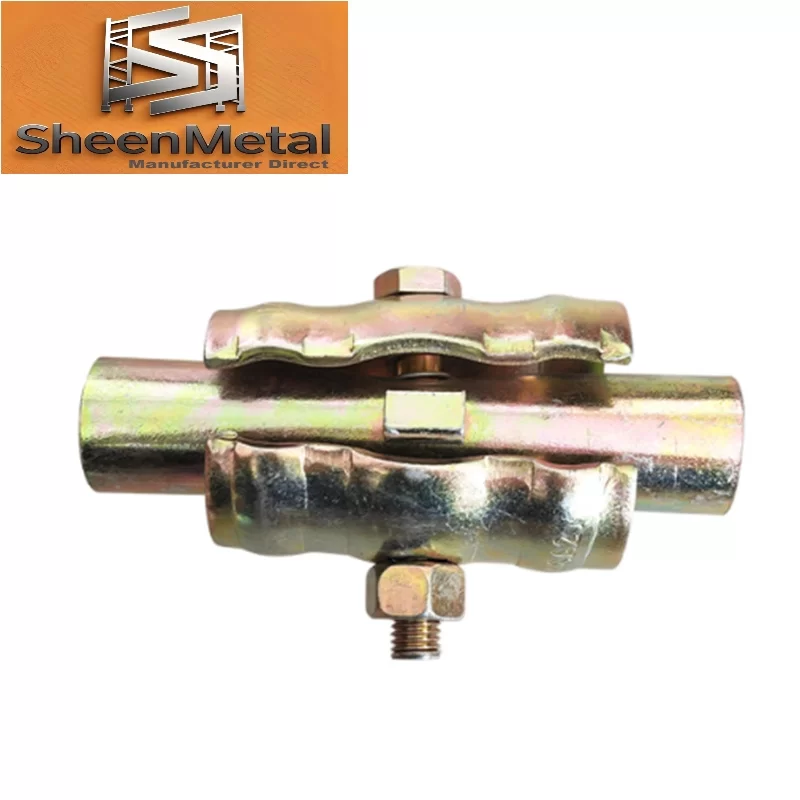
Ringlock scaffolding and tube-and-coupler scaffolding systems are widely used in shipyards due to their flexibility and strong load-bearing capacity. These systems can be configured to follow the curved shape of ship hulls, ensuring close access to work areas without compromising stability. Adjustable connections allow scaffolding to be erected around complex contours, enabling precise workmanship reminders even in hard-to-reach locations.
Flexible Scaffolding for Block Construction
Modern shipbuilding often adopts block construction methods, where large sections of the vessel are built separately and then assembled together. During block fabrication, scaffolding systems are required to provide multi-level access around steel blocks, tanks, and compartments.
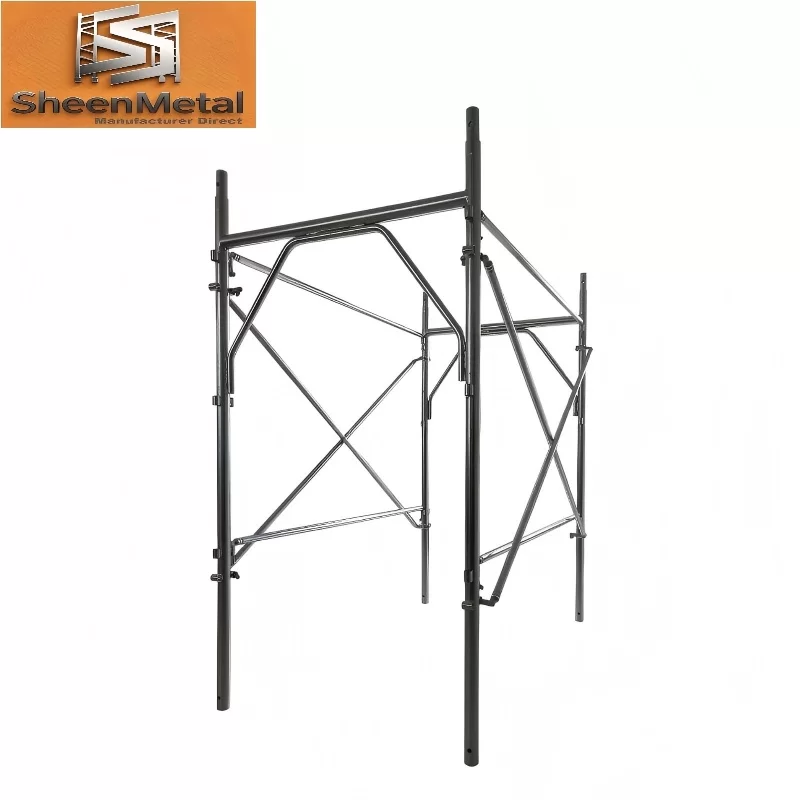
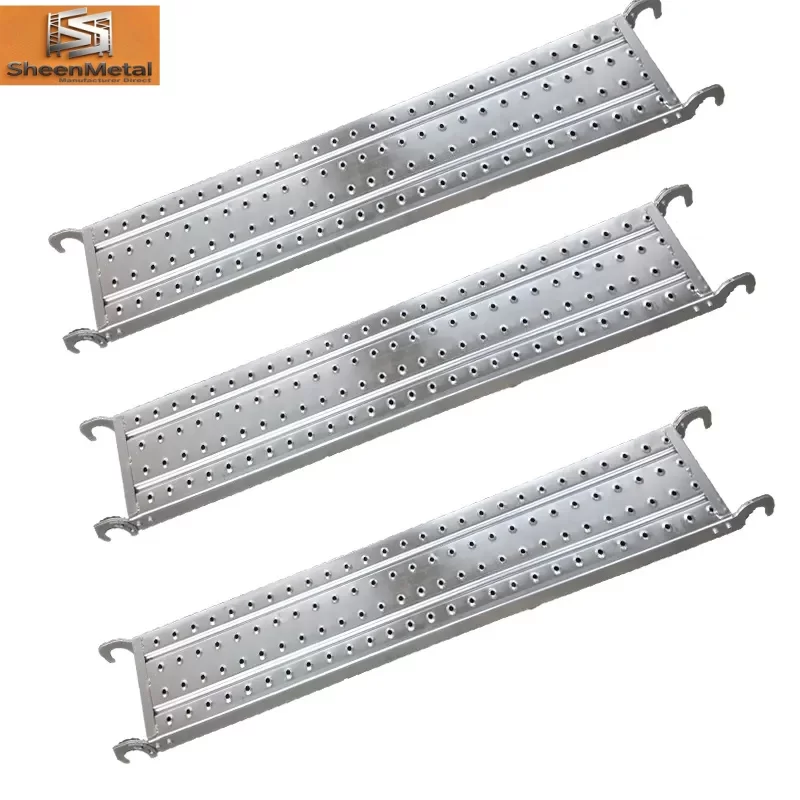
Frame scaffolding and modular scaffolding systems offer quick assembly and dismantling, allowing shipyards to move scaffolding efficiently between blocks. Scaffolding boards and planks provide safe working surfaces for workers installing stiffeners, pipes, and cables within the blocks. The modular nature of these systems helps shipyards maintain efficient workflows and reduce downtime during block transitions.
Interior Outfitting and Confined Space Access
Once the main structure is completed, interior outfitting begins. This stage involves installing insulation, piping, electrical systems, accommodation units, and machinery within confined spaces such as engine rooms, cargo holds, and cabins. Compact and adaptable scaffolding solutions are essential for ensuring safe access in these restricted environments.
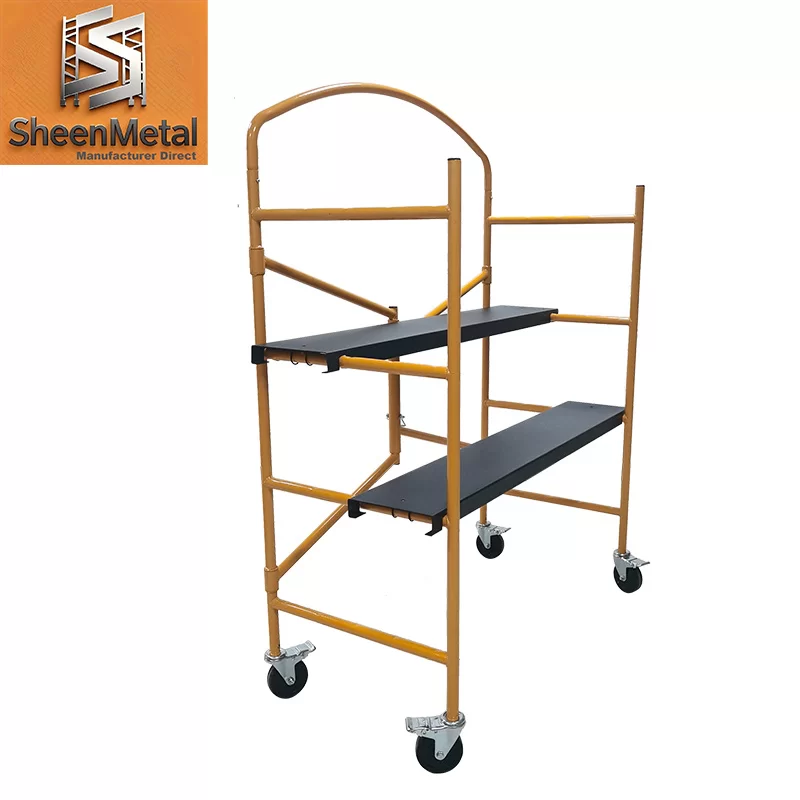
Collapsible mobile scaffolds are particularly suitable for interior shipbuilding work. Their lightweight design and caster wheels allow easy movement between compartments, while lockable wheels ensure stability during operation. Adjustable platforms enable workers to reach different heights without frequent dismantling, improving efficiency and safety in tight working conditions.
Support for Painting, Blasting, and Surface Treatment
Surface preparation and coating are crucial processes in shipbuilding, directly affecting corrosion resistance and vessel lifespan. Scaffolding systems provide stable access for sandblasting, painting, and inspection of hulls, decks, superstructures, and interior surfaces.
Galvanized or coated scaffolding components are commonly used to withstand harsh marine environments, exposure to moisture, chemicals, and abrasive materials. Tube and coupler scaffolding systems are especially effective for painting operations, as they can be arranged to minimize obstructions and provide continuous access along large surface areas.
Safety and Stability in Harsh Shipyard Environments
Shipyards present unique safety challenges, including uneven ground, heavy machinery movement, overhead lifting operations, and exposure to weather conditions. Scaffolding systems used in shipbuilding must deliver exceptional stability and comply with strict safety standards.
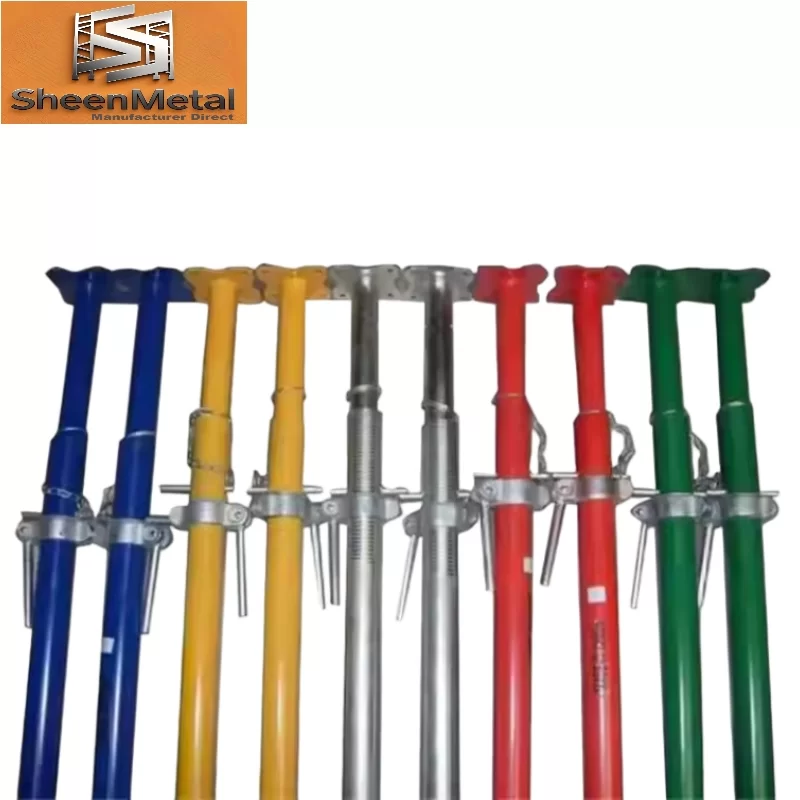
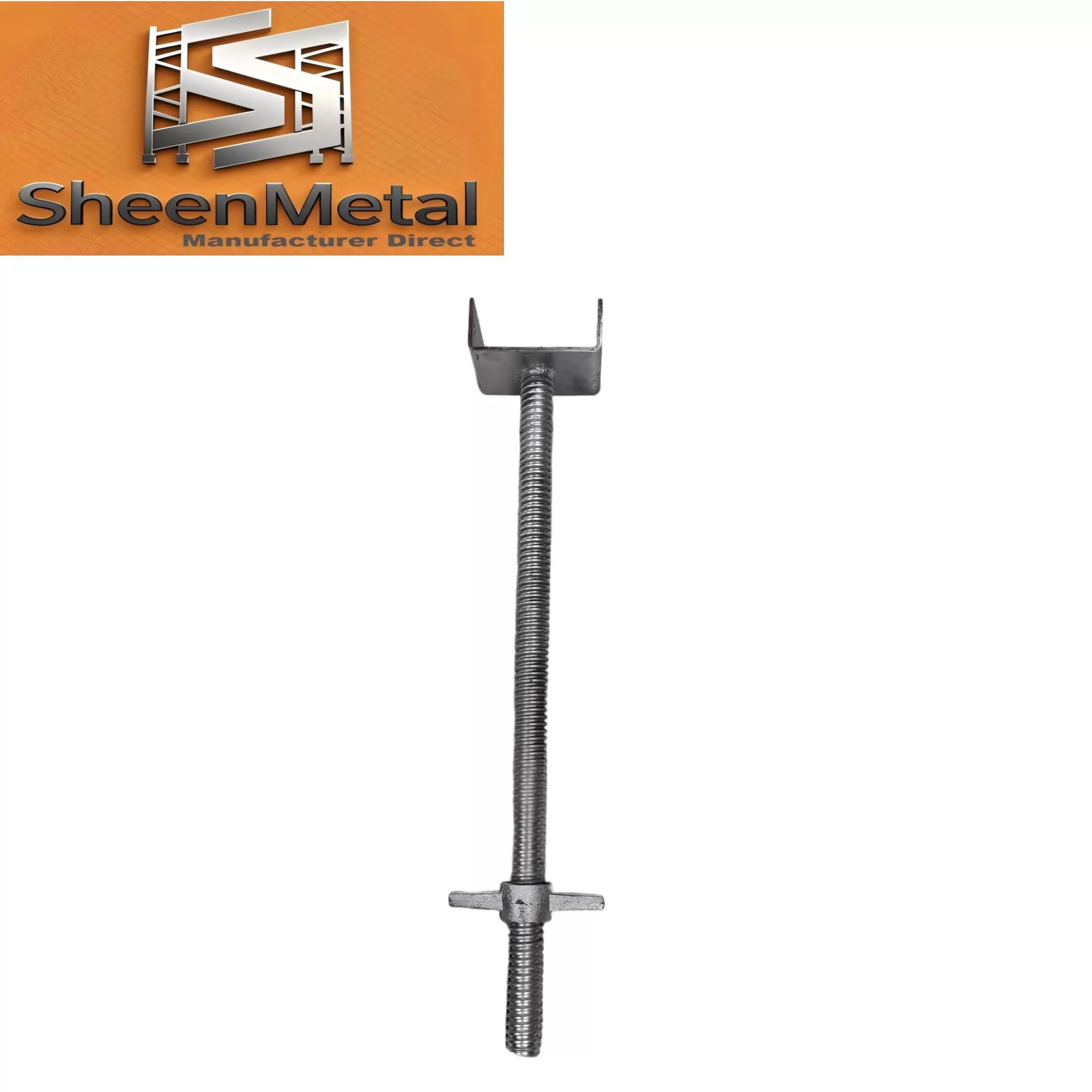
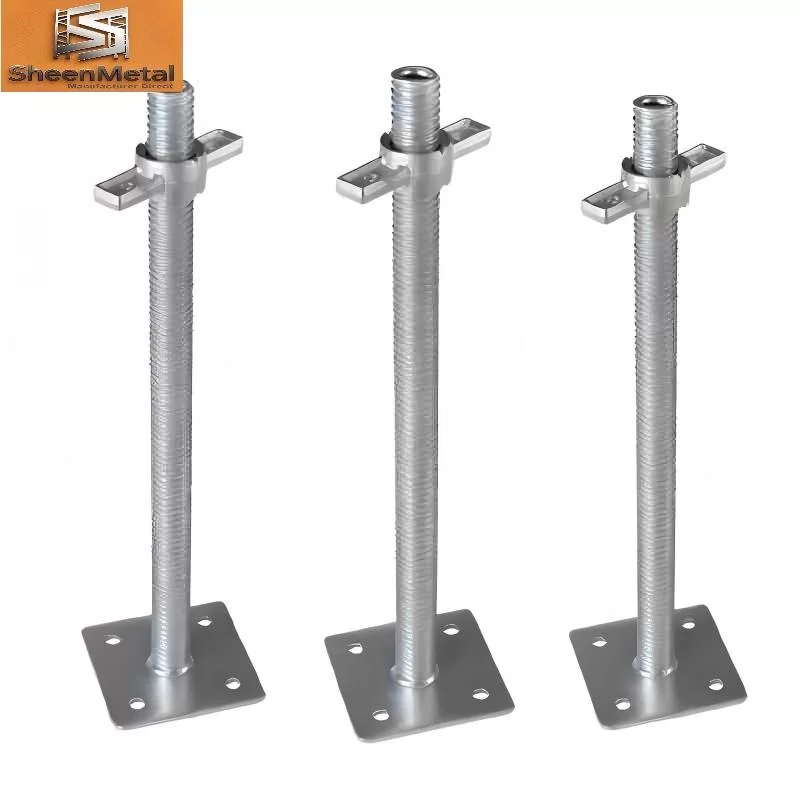
Heavy-duty steel props, screw jacks, and base plates are used to ensure stable foundations for scaffolding structures. Proper guardrails, toe boards, and non-slip platforms help protect workers from falls and accidents. By using standardized and certified scaffolding components, shipyards can maintain high safety levels and reduce operational risks.
Efficient Maintenance and Repair Operations
Beyond new vessel construction, scaffolding systems are also essential for ship repair, conversion, and maintenance projects. Dry docks and repair yards require flexible access solutions that can be quickly installed and adjusted based on vessel size and repair scope.
Mobile scaffolding systems allow maintenance teams to move efficiently along hulls and decks, reducing setup time and labor costs. Modular scaffolding can be reused across different vessels, making it a cost-effective solution for shipyards handling multiple projects simultaneously.
Adaptability to Large and Complex Structures
Ships vary greatly in size and design, from small offshore vessels to large container ships and tankers. Scaffolding systems must be adaptable enough to serve a wide range of vessel types and construction methods.
Ringlock scaffolding systems are particularly well-suited for large-scale shipbuilding projects due to their high load capacity and modular design. They enable the construction of large access towers, suspended platforms, and custom layouts that meet project-specific requirements. Tube and coupler systems further enhance flexibility, allowing scaffolding to be installed around irregular structures, pipelines, and equipment.
Improved Productivity and Cost Control
Efficiency is a key driver in shipbuilding, where project schedules and budgets are tightly controlled. Modular scaffolding systems help streamline installation and dismantling processes, reducing labor intensity and construction time.
Standardized components simplify logistics and inventory management within shipyards. Reusable scaffolding and access systems reduce material waste and provide long-term cost savings compared to temporary wooden platforms. This contributes to more predictable project planning and improved overall productivity.
Compliance with International Standards
Shipbuilding projects often involve international classification societies and regulatory bodies. Scaffolding systems must meet global safety and quality standards to ensure compliance during audits and inspections.
High-quality scaffolding components manufactured under strict quality control systems provide consistent performance and reliability. Using certified scaffolding solutions helps shipyards maintain compliance, protect workers, and uphold their reputation in the global maritime industry.
Conclusion
Scaffolding and access systems are indispensable in the shipbuilding industry, supporting every stage from hull construction and block assembly to interior outfitting and final finishing. Flexible, durable, and safe scaffolding solutions such as ringlock scaffolding, frame scaffolding, mobile scaffolds, and tube-and-coupler systems enable shipyards to handle complex structures, confined spaces, and demanding environmental conditions.
By adopting high-quality scaffolding and support systems tailored for shipbuilding applications, shipyards can enhance safety, improve productivity, and ensure efficient project execution in a competitive global market.


As global infrastructure development continues to accelerate, the demand for safe, efficient, and adaptable construction solutions has never been higher.

Interior decoration and renovation projects are experiencing strong growth worldwide, driven by urban development, commercial expansion, and increasing demand for high-quality indoor spaces.

The global shipbuilding industry is undergoing continuous transformation, driven by higher safety standards, increasing vessel complexity, and growing pressure to improve production efficiency.


HUASHANG BUILD,BEIJING ROAD, YUNHE DISTRICT, CANGZHOU CITY,HEBEI,CHINA


