January 9, 2026
As global infrastructure development continues to accelerate, the demand for safe, efficient, and adaptable construction solutions has never been higher. Scaffolding and formwork systems are playing an increasingly important role in modern infrastructure projects, including bridges, highways, industrial facilities, and large public works. These systems not only provide essential temporary support but also significantly improve construction safety, quality, and productivity.
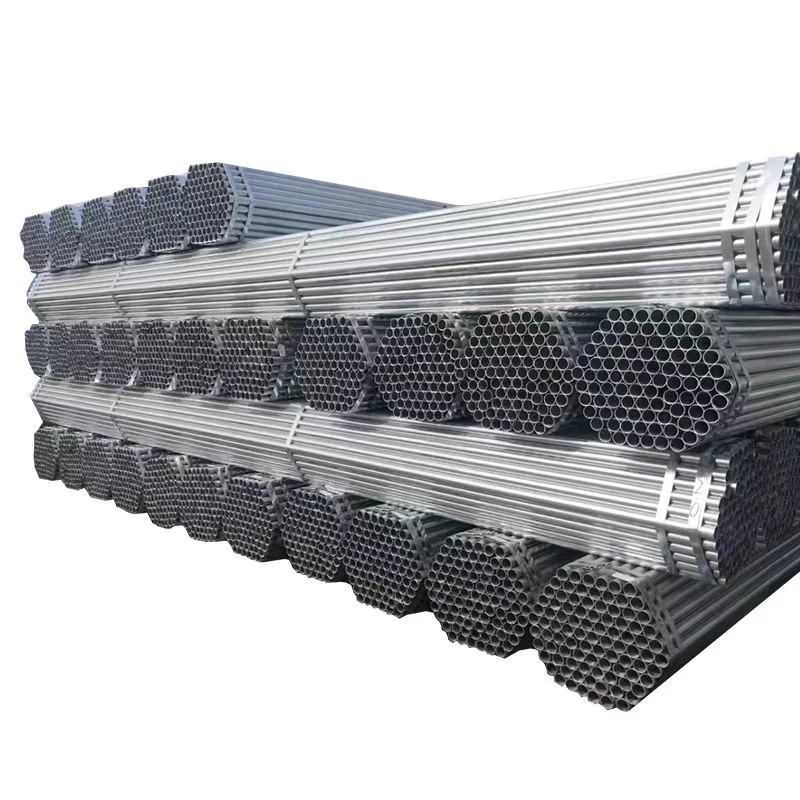
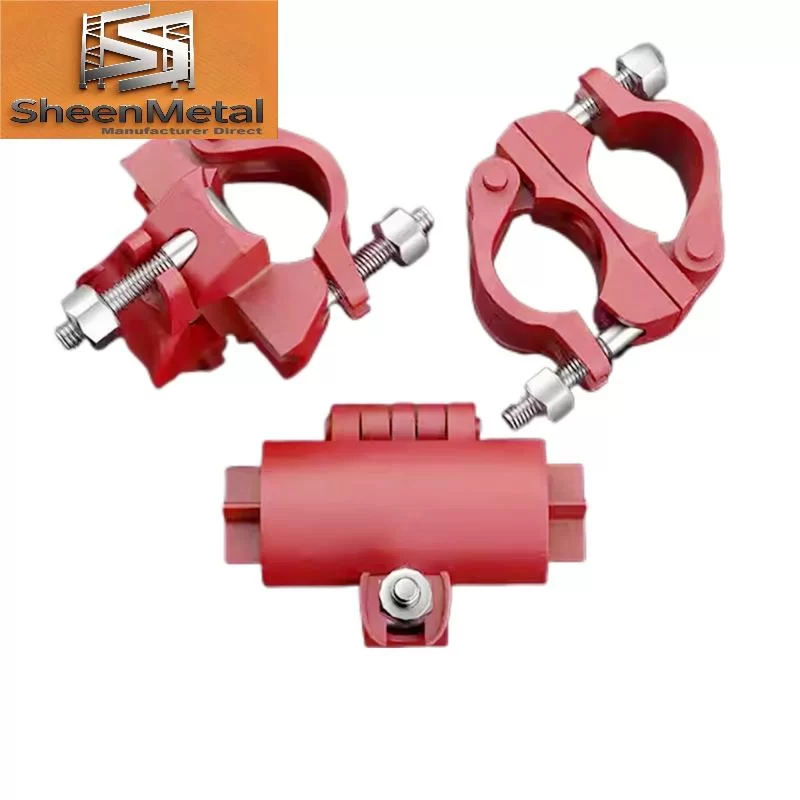
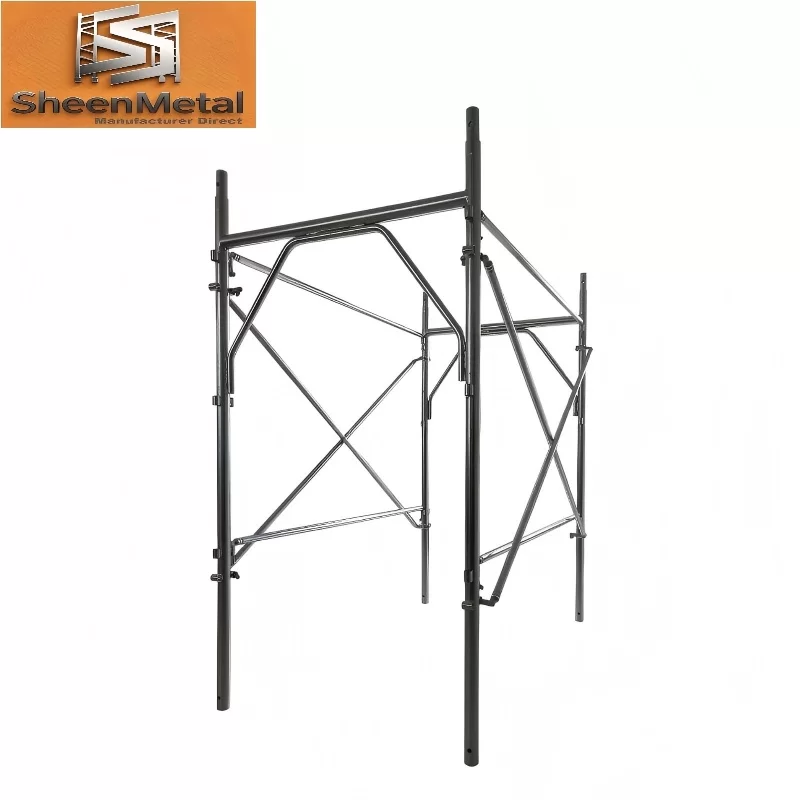
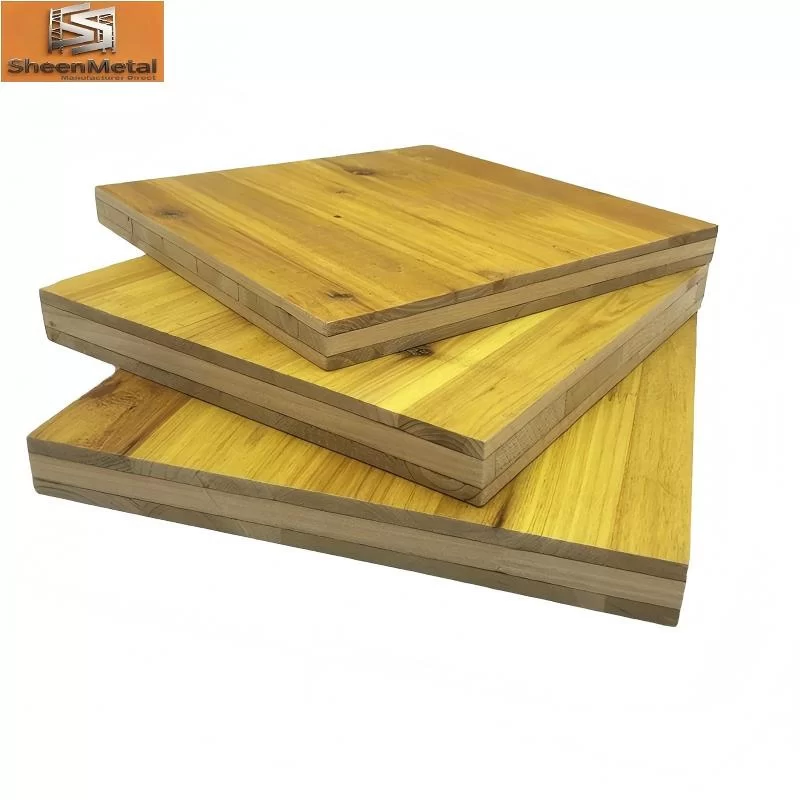
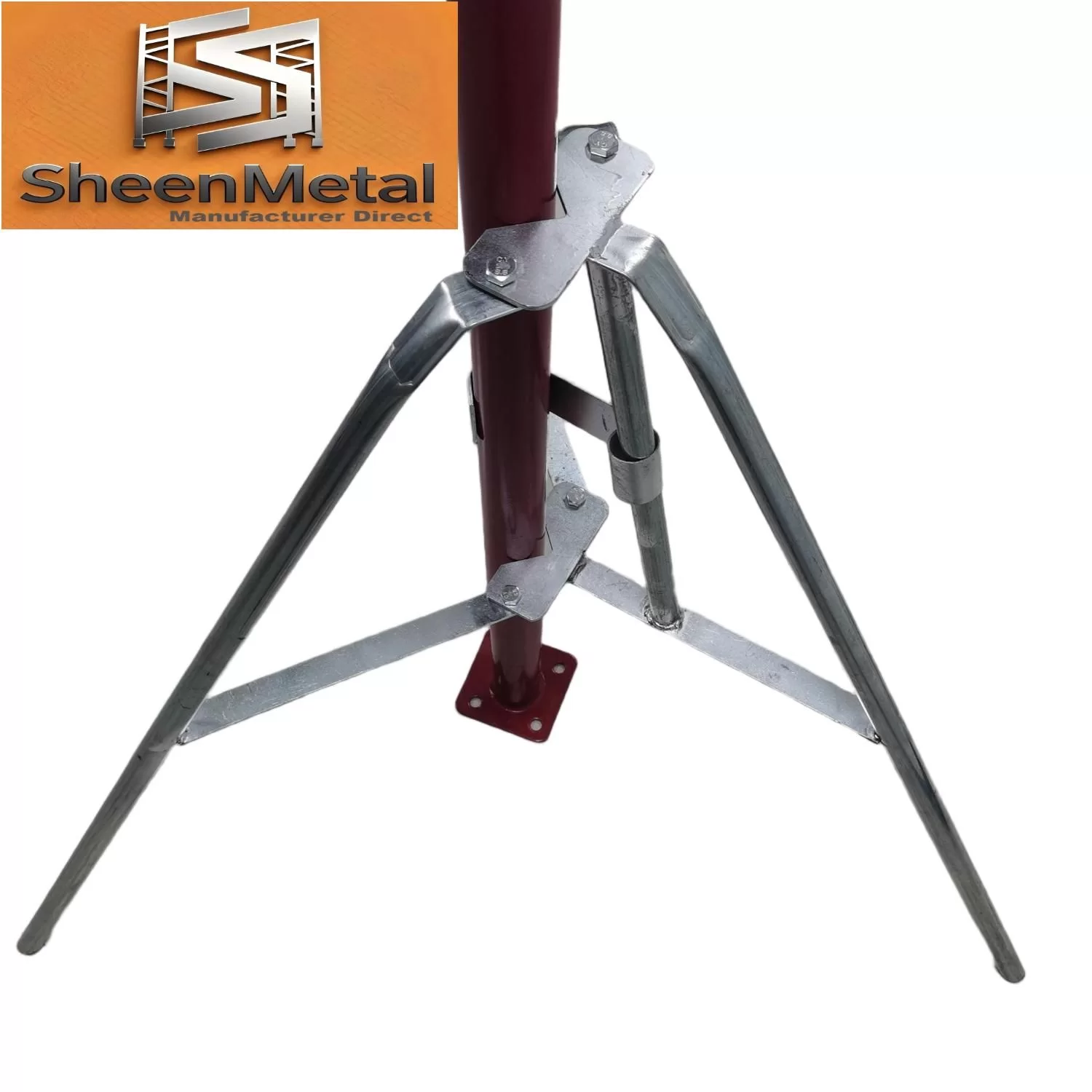
Infrastructure projects typically involve large-scale structures, complex geometries, and strict safety requirements. Scaffolding systems such as ringlock scaffolding, frame scaffolding, and tube-and-coupler scaffolding are widely used to provide safe access for workers at height. At the same time, formwork systems supported by steel props and screw jacks ensure accurate concrete shaping and structural integrity during pouring and curing.
One of the key advantages of modern scaffolding systems is their modular design. Modular scaffolding allows contractors to assemble customized configurations based on project requirements while maintaining high load capacity and structural stability. This flexibility is especially important in infrastructure projects where working conditions vary significantly across different construction stages.
Safety remains a top priority in infrastructure construction. Advanced scaffolding systems are designed with secure locking mechanisms, standardized connections, and anti-slip platforms to reduce the risk of accidents. Guardrails, toe boards, and safe access ladders or stair towers are now standard components, helping construction teams meet strict safety regulations and inspection requirements.
In addition to safety, efficiency is another major driver behind the growing adoption of modern scaffolding and formwork systems. Traditional timber-based support structures are increasingly being replaced by reusable steel systems that offer faster installation, longer service life, and lower overall costs. Standardized components reduce assembly time and labor intensity, allowing projects to stay on schedule even under tight deadlines.
Sustainability is also becoming a key consideration in infrastructure development. Reusable scaffolding and formwork systems reduce material waste and support environmentally responsible construction practices. Steel components can be reused across multiple projects, improving resource efficiency and reducing long-term environmental impact.
As infrastructure projects continue to grow in scale and complexity, the role of scaffolding and formwork systems will become even more critical. By adopting high-quality, certified solutions, contractors can improve safety performance, enhance construction efficiency, and deliver durable infrastructure that meets modern engineering standards.