
Architectural construction covers a wide range of building types, including residential buildings, commercial complexes, industrial facilities, and public infrastructure. As architectural designs become more diverse and structurally complex, reliable scaffolding and formwork systems are essential to support construction activities, ensure worker safety, and maintain high construction quality throughout all project phases.
Scaffolding and formwork systems provide temporary structural support and safe access for workers during structural construction, exterior finishing, and interior works. Their flexibility, strength, and adaptability make them indispensable in modern architectural projects.
Structural Support for Building Frameworks
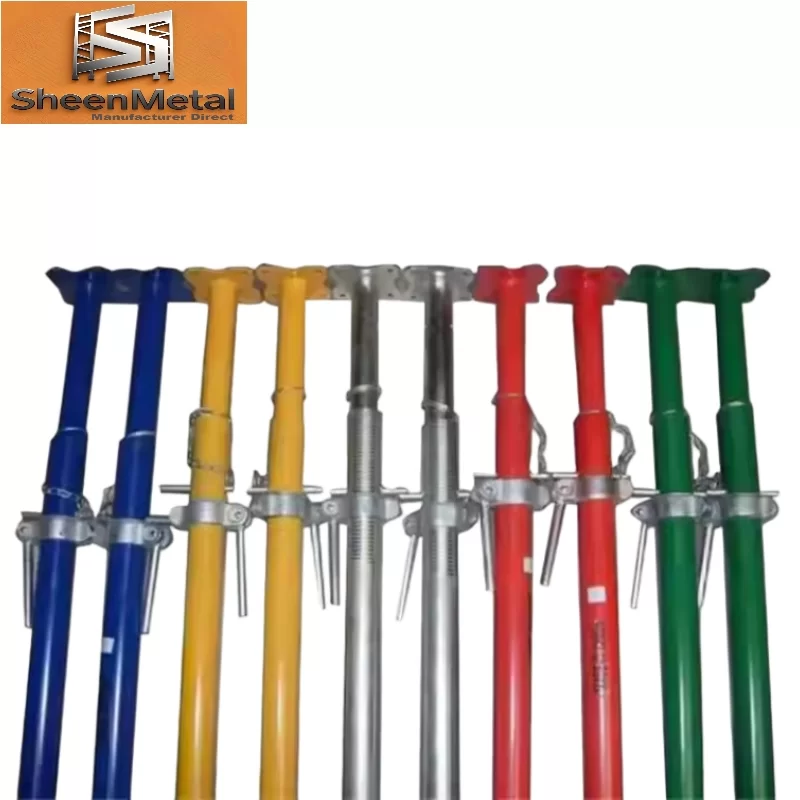
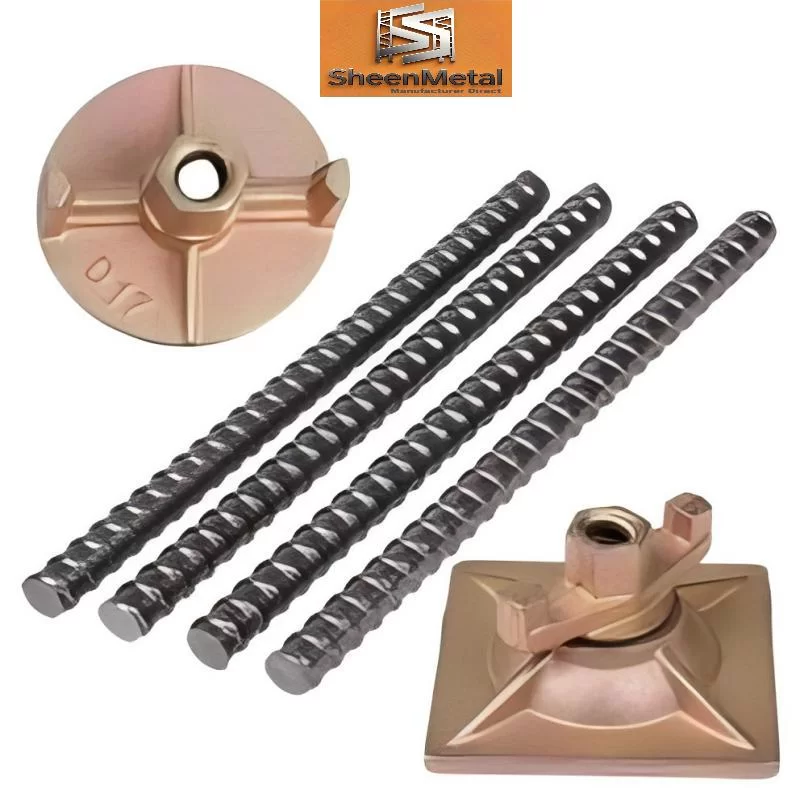
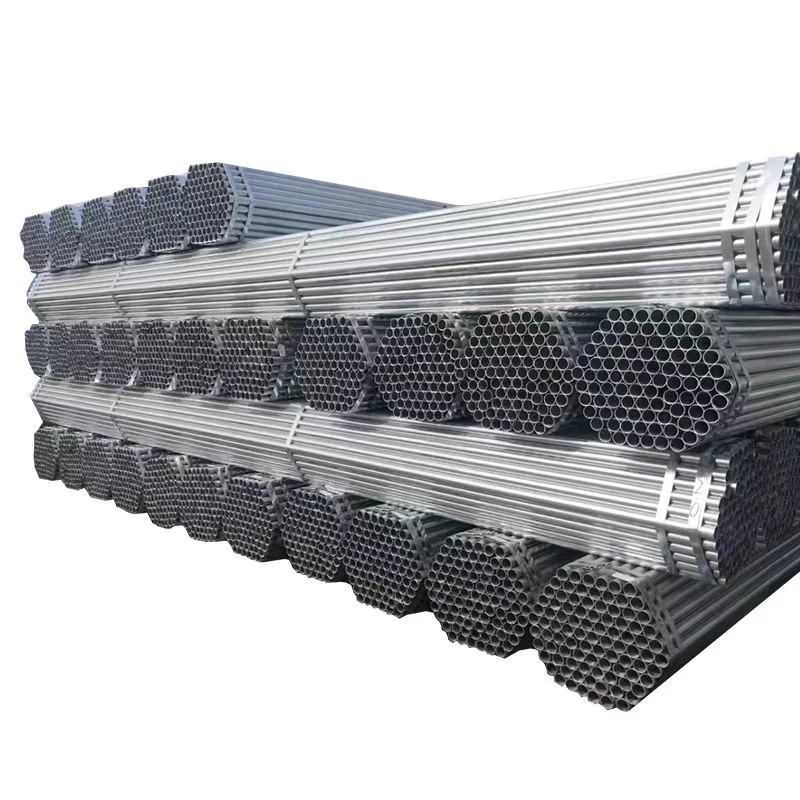
During the construction of building frameworks, scaffolding and formwork systems are used to support concrete slabs, beams, columns, and walls. Steel props, screw jacks, and formwork panels provide reliable temporary support during concrete pouring and curing, ensuring structural accuracy and dimensional stability.
Ringlock scaffolding systems are widely used in architectural construction due to their high load capacity and modular design. They can be assembled into shoring towers and support frames for multi-story buildings, allowing precise load distribution and stable structural support. Adjustable screw jacks enable fine height adjustment, helping contractors achieve accurate floor levels and alignment.
Exterior Facade Construction and Finishing
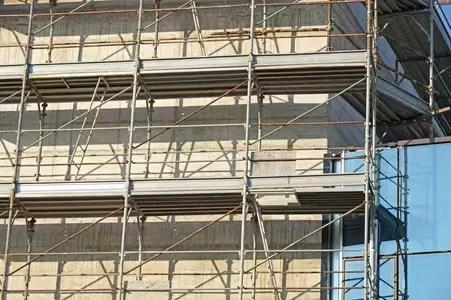
Exterior facade works require safe and stable access platforms at varying heights. Scaffolding systems are essential for installing curtain walls, cladding panels, stone facades, insulation systems, and exterior coatings. Frame scaffolding and ringlock scaffolding systems provide efficient access for workers performing installation, inspection, and finishing tasks on building exteriors.
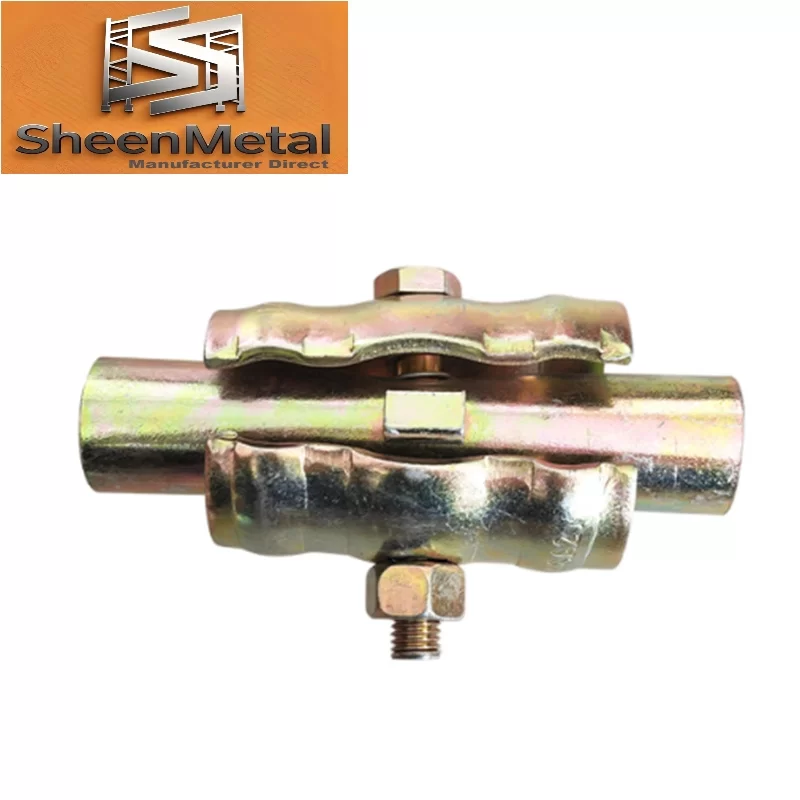
Tube and coupler scaffolding systems are often used for buildings with complex facade designs, irregular shapes, or curved surfaces. Their flexible connections allow scaffolding to follow architectural contours closely, ensuring complete coverage and efficient access. Scaffolding boards and planks provide secure working platforms, supporting continuous workflow across facade sections.
High-Rise and Large-Scale Building Projects
High-rise buildings and large-scale architectural projects present unique challenges related to height, load requirements, and safety. Scaffolding systems used in these projects must deliver exceptional strength, stability, and reliability.
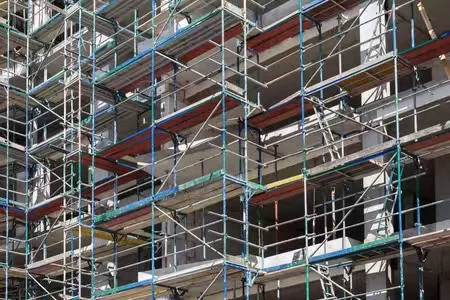
Ringlock scaffolding systems are particularly suitable for high-rise construction due to their strong structural integrity and fast assembly. They enable the creation of multi-level working platforms, stair towers, and safety enclosures that meet strict safety regulations. Steel props and heavy-duty formwork systems support large concrete volumes, reducing deflection and improving structural quality.
Interior Construction and Renovation Works
Interior construction and renovation are essential phases in architectural projects, covering partition walls, ceilings, mechanical and electrical installations, and finishing works. Compact and adaptable scaffolding systems are required to provide safe access in confined indoor spaces.
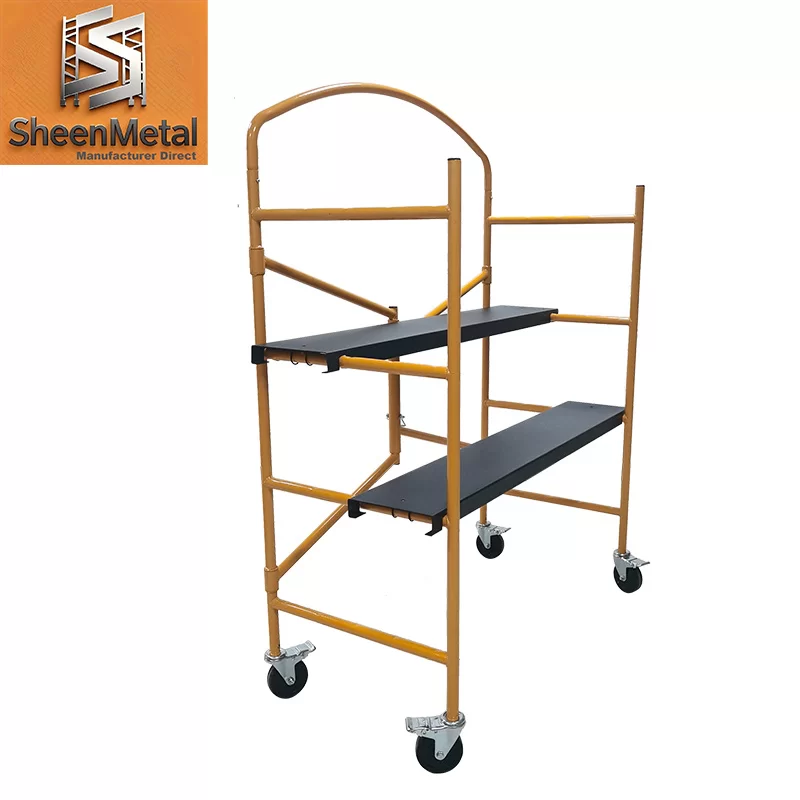
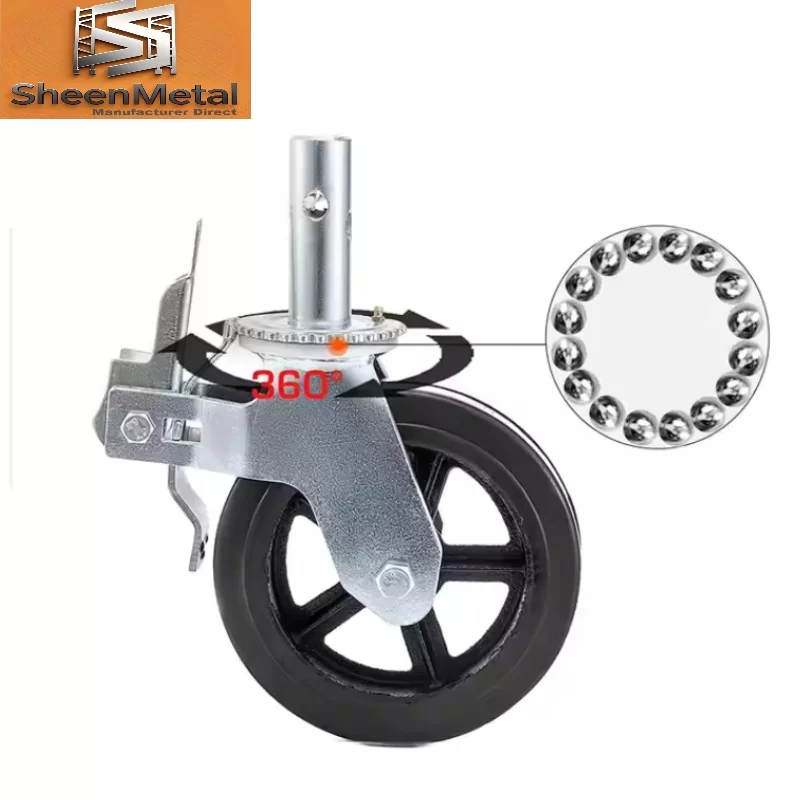
Collapsible mobile scaffolds are commonly used for interior works due to their mobility and ease of adjustment. Equipped with caster wheels and lock systems, these scaffolds allow workers to move efficiently between work areas while maintaining stability. Scaffolding platforms can be adjusted to different heights, reducing the need for frequent dismantling and improving productivity.
Support for Complex Architectural Designs
Modern architecture often features innovative designs, including curved walls, inclined structures, cantilevered sections, and unique geometries. Traditional scaffolding solutions may not always meet these requirements.
Tube and coupler scaffolding systems offer maximum flexibility, allowing customized configurations to support complex shapes and irregular structures. Combined with modular formwork panels, these systems help contractors achieve precise construction results while maintaining safety and efficiency.
Improved Safety and Worksite Organization
Safety is a top priority in architectural construction. Scaffolding systems must provide stable platforms, secure guardrails, and safe access routes to minimize the risk of falls and accidents. High-quality scaffolding components are designed to withstand heavy loads, environmental exposure, and continuous use.
Standardized scaffolding systems help improve site organization by creating clear working levels and access points. This not only enhances safety but also improves coordination among different construction teams working simultaneously on the project.
Efficiency and Time Management in Construction
Construction schedules are often tight, especially in urban and commercial projects. Modular scaffolding and formwork systems help accelerate construction progress by simplifying installation and dismantling processes.
Reusable scaffolding components reduce material waste and support sustainable construction practices. Standardized parts are easy to transport, store, and reuse across multiple projects, providing long-term cost efficiency for contractors and developers.
Compliance with Building Codes and Standards
Architectural construction projects must comply with local and international building codes and safety standards. Scaffolding and formwork systems manufactured under strict quality control processes help ensure compliance during inspections and audits.
Certified scaffolding solutions provide consistent performance and reliability, helping contractors meet regulatory requirements and maintain a strong safety record throughout the construction process.
Cost-Effective Construction Solutions
Using durable and reusable scaffolding and formwork systems significantly reduces overall construction costs compared to traditional timber-based solutions. Steel scaffolding components offer long service life, minimal maintenance, and high return on investment.
Efficient scaffolding design also reduces labor requirements and construction time, helping contractors control budgets and improve project profitability.
Conclusion
Scaffolding and formwork systems are essential to architectural construction, supporting structural works, exterior facades, interior finishing, and complex design execution. From residential buildings and commercial complexes to large-scale public infrastructure, reliable systems such as steel props, ringlock scaffolding, frame scaffolding, mobile scaffolds, and formwork solutions provide the safety, efficiency, and adaptability required for modern architecture.
By selecting high-quality scaffolding and formwork systems tailored to architectural applications, construction professionals can ensure safe working environments, achieve superior construction quality, and deliver projects on time and within budget.


The global shipbuilding industry is undergoing continuous transformation, driven by higher safety standards, increasing vessel complexity, and growing pressure to improve production efficiency.
Interior decoration and renovation projects are experiencing strong growth worldwide, driven by urban development, commercial expansion, and increasing demand for high-quality indoor spaces.
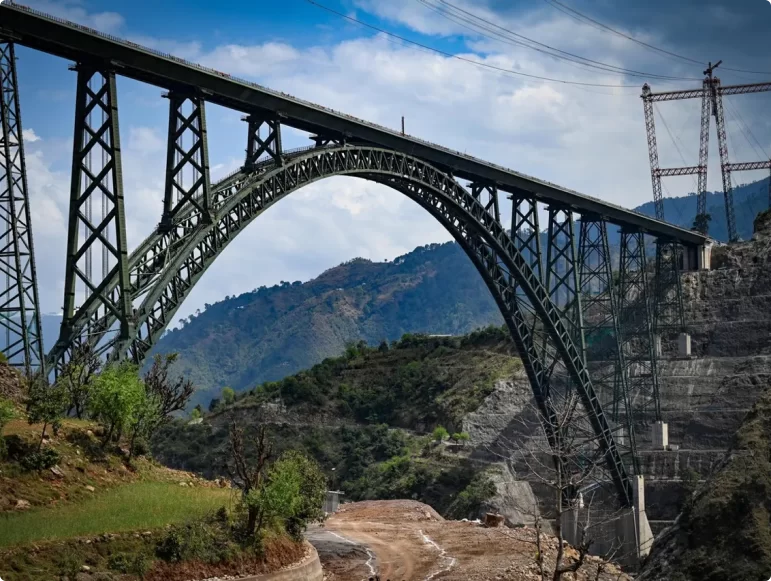
As global infrastructure development continues to accelerate, the demand for safe, efficient, and adaptable construction solutions has never been higher.


HUASHANG BUILD,BEIJING ROAD, YUNHE DISTRICT, CANGZHOU CITY,HEBEI,CHINA


